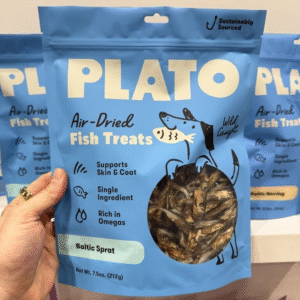
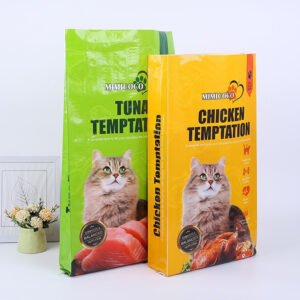
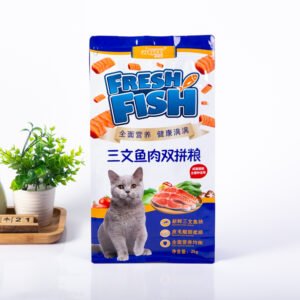
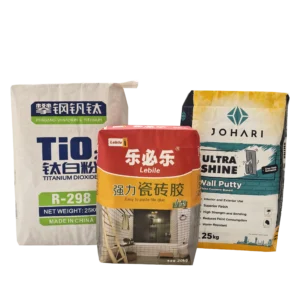
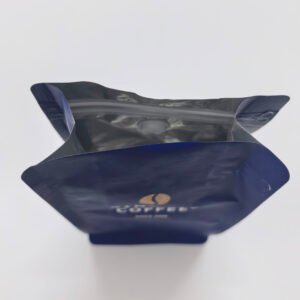
For many farmers, feed packaging bags seem to exist only as tools for “packing feed” — open them when used, pour out the feed, and the packaging bags become waste to be discarded casually. But in fact, high-quality feed packaging bags are far more than just “bags”; they have many overlooked practical functions. Today, we will disassemble these “hidden functions” one by one in combination with our daily breeding scenarios, and teach you to use the packaging bags to get “additional value”.
I. Moisture and Mildew Resistance: Guard the “Freshness Bottom Line” of Feed, Reducing Waste is Saving Costs
The core hidden function of feed packaging bags is “moisture-proof and dry-locking”, which is equivalent to putting a “protective coat” on the feed.
Most high-quality feed packaging bags are made of PE/PP composite film, with a waterproof coating on the inner layer and wear-resistant protection on the outer layer. They can effectively isolate moisture and dew in the air, and even when stacked in the corner of the greenhouse or on the ground, they can reduce moisture penetration.
In daily use, you can make good use of the moisture-proof function by paying attention to these two points:
First, after opening the packaging bag, be sure to tie the bag mouth tightly every time you take the feed (many packaging bags are equipped with self-sealing zippers or buckles, which can isolate 80% of the moisture);
Second, when storing, try to raise the packaging bags away from the ground (use wooden boards or pallets to raise them by 10-15cm), to avoid direct moisture penetration from the ground into the bag.
Here is a real case: Our Philippine customer Felix purchased a batch of BOPP composite PP woven bags with inner bags. He used to feedback that the feed would clump and mold after half a month. Later, it was found that he did not tie the bag mouth tightly after opening it and placed it directly on the ground. After following our suggestions to tie the bag mouth tightly and raise it with pallets, the storage time of the same feed was extended.
II. Anti-Oxidation and Fresh-Keeping: Extend Shelf Life, Avoid “Eating Half and Throwing Half Away”
Once the nutrients such as protein and vitamins in the feed come into contact with air, they will slowly oxidize, which not only reduces the nutritional value, but also may produce peculiar smells that livestock and poultry do not like, and finally can only be wasted.
Here is a practical tip for farmers: when buying feed, prioritize packaging bags with “inner bag packaging” or “sealing zippers + aluminum foil inner layers“. Such packaging bags have better anti-oxidation effects and are suitable for long-term feed storage; in addition, try to “buy and eat first” to avoid hoarding too much feed at one time, but if you really need to hoard feed, making good use of the anti-oxidation function of the packaging bag can extend the shelf life of the feed.
III. Easy Storage and Handling: Save Labor and Space, Double Efficiency
For large-scale farmers, the storage and handling of feed is a big project. Adjusting the structural design of feed packaging bags can save a lot of labor and space costs.
First of all, the “handle design“: many feed packaging bags have reserved hand buckles on both sides or the top. When handling, the hand buckles can disperse the weight, reduce labor strain and improve handling efficiency.
Secondly, “stacking stability“: high-quality feed packaging bags have flat edges and stiff materials, so they are not easy to topple when stacked. They can not only make full use of warehouse space, but also avoid feed damage and leakage caused by the toppling of packaging bags.
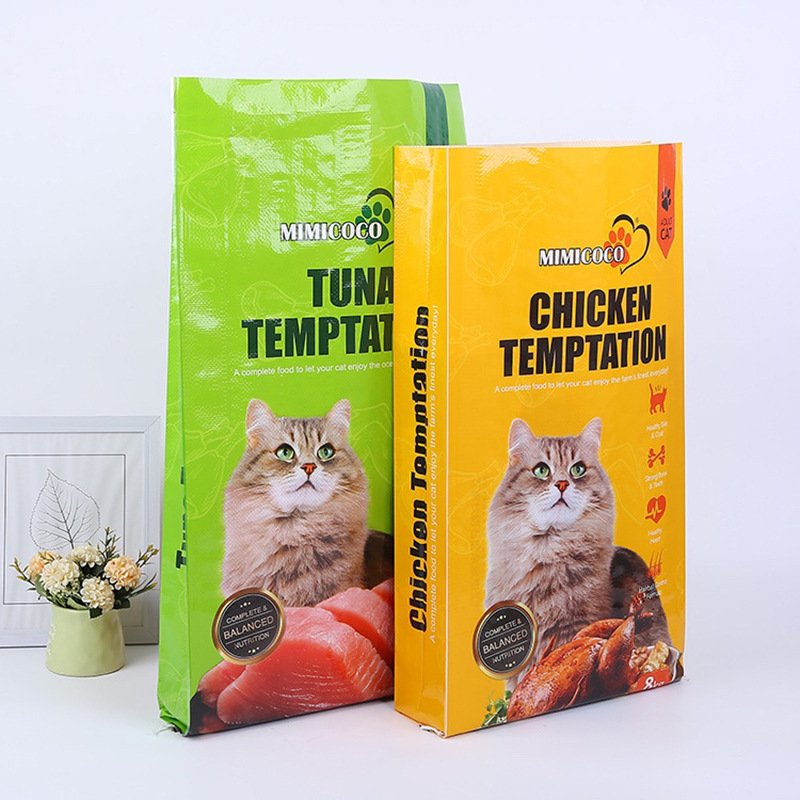
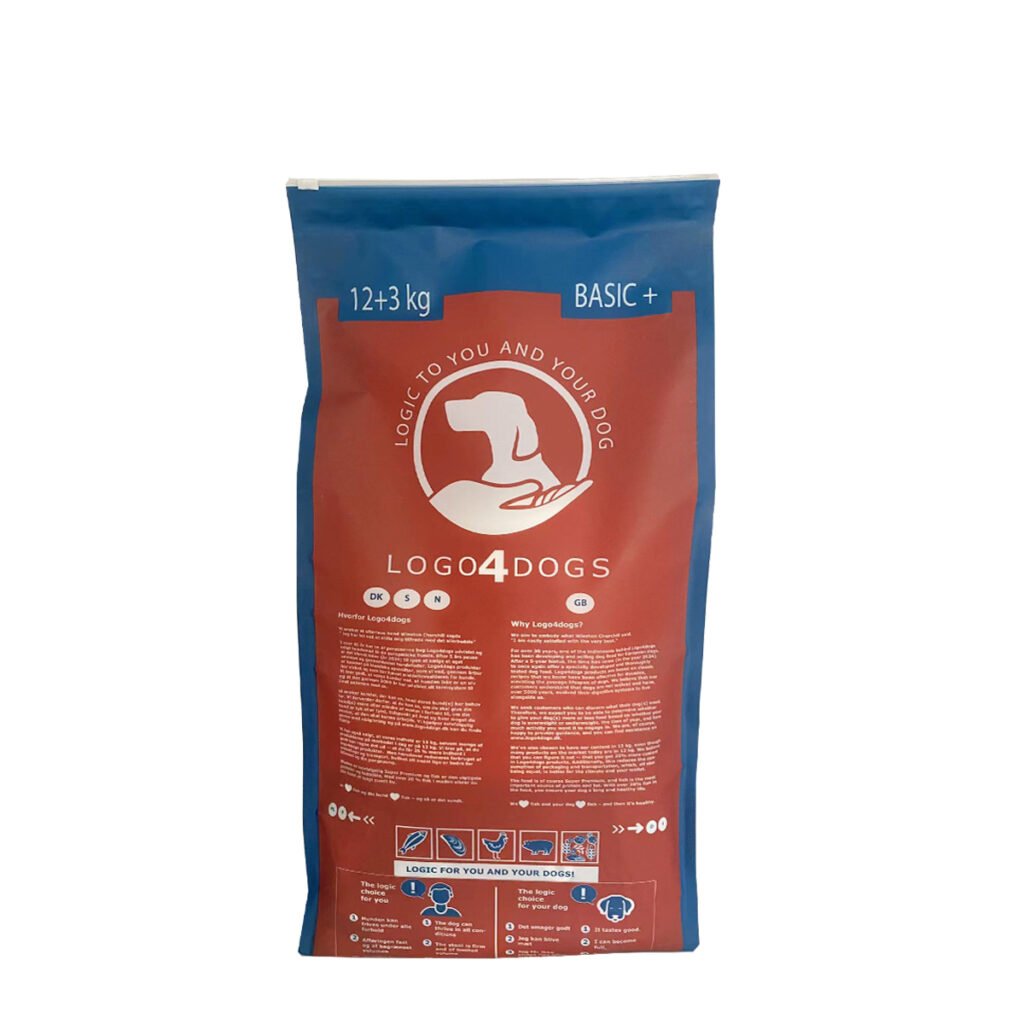
IV. Assisting in Distinguishing Feed Categories by color and logo design
The “color and logo design” of feed packaging bags can help us quickly distinguish feed categories and avoid using the wrong feed.
Feed packaging bags from regular manufacturers will be designed with different colors according to the feed category:
For example, chick feed uses light colors (white, light yellow), grower chicken feed uses dark colors (brown, green); piglet feed uses pink, fattening pig feed uses blue, which can be distinguished at a glance without repeatedly looking at the label. At the same time, the design of the logo on the packaging bag is also particular — clearly marked with “applicable animals”, “growth stage”, “ingredient list”, “usage method”, and even some will be marked with “daily dosage”. When we take it, we can quickly find the corresponding feed by glancing at the packaging bag, avoiding using the wrong one due to confusion.
Conclusion: Stop Wasting the “Hidden Value” of Packaging Bags, Every Penny Saved is Pure Profit
In fact, these “hidden functions” of feed packaging bags are essentially to help farmers “save costs and protect feed”.
If your packaging bags need to be updated, or if you have any questions and problems in the process of using the packaging bags, you can contact us. We are happy to help you.